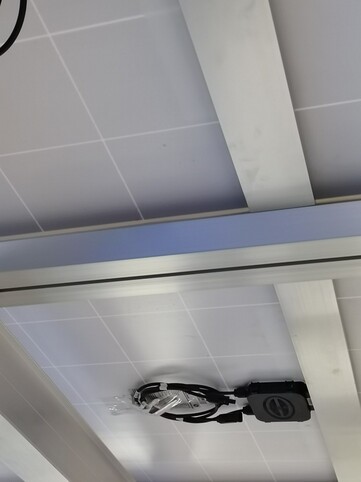
BIPV delivers far more than power generation.
For new-build factories, it brings substantial cost savings.
How are savings achieved?Eliminate spending on metal roof sheets and cut steel consumption. This is the core logic of integrated BIPV roof replacement and steel structure co-design.
BIPV: A Cost-Effective Roof That Also Generates Power
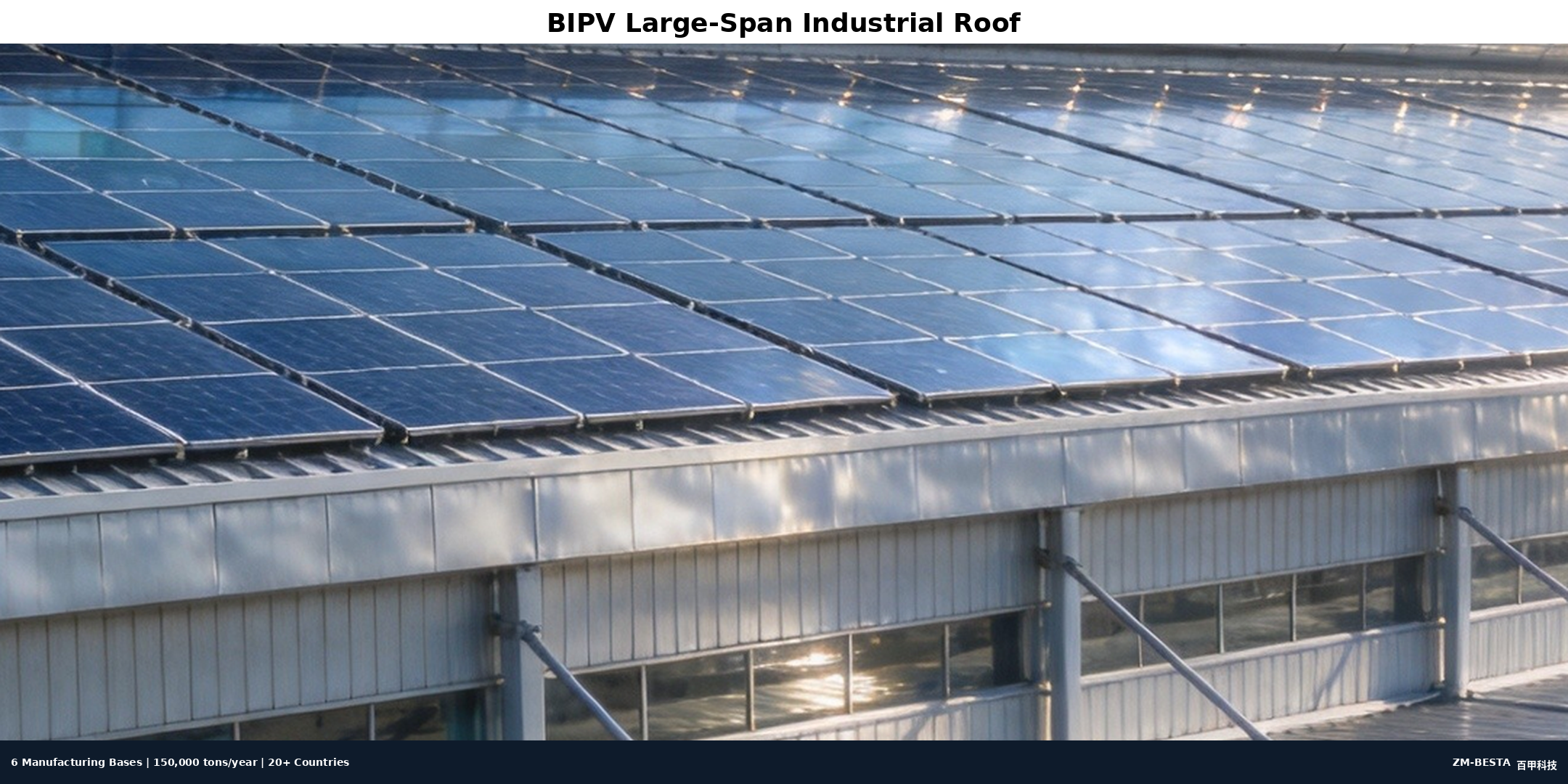
For enterprises planning new factory construction, controlling CAPEX (Capital Expenditure) is a top priority. BIPV (Building Integrated Photovoltaics) offers an innovative approach: PV modules directly serve as the building roof enclosure.
This removes the need to purchase separate metal roof panels, while integrated structural design reduces steel usage. The roof integrates power generation, waterproofing, thermal insulation, decoration and building enclosure into one single component. Industry data shows this system cuts initial enclosure costs by 15%–25% and delivers remarkable returns over its full service life.
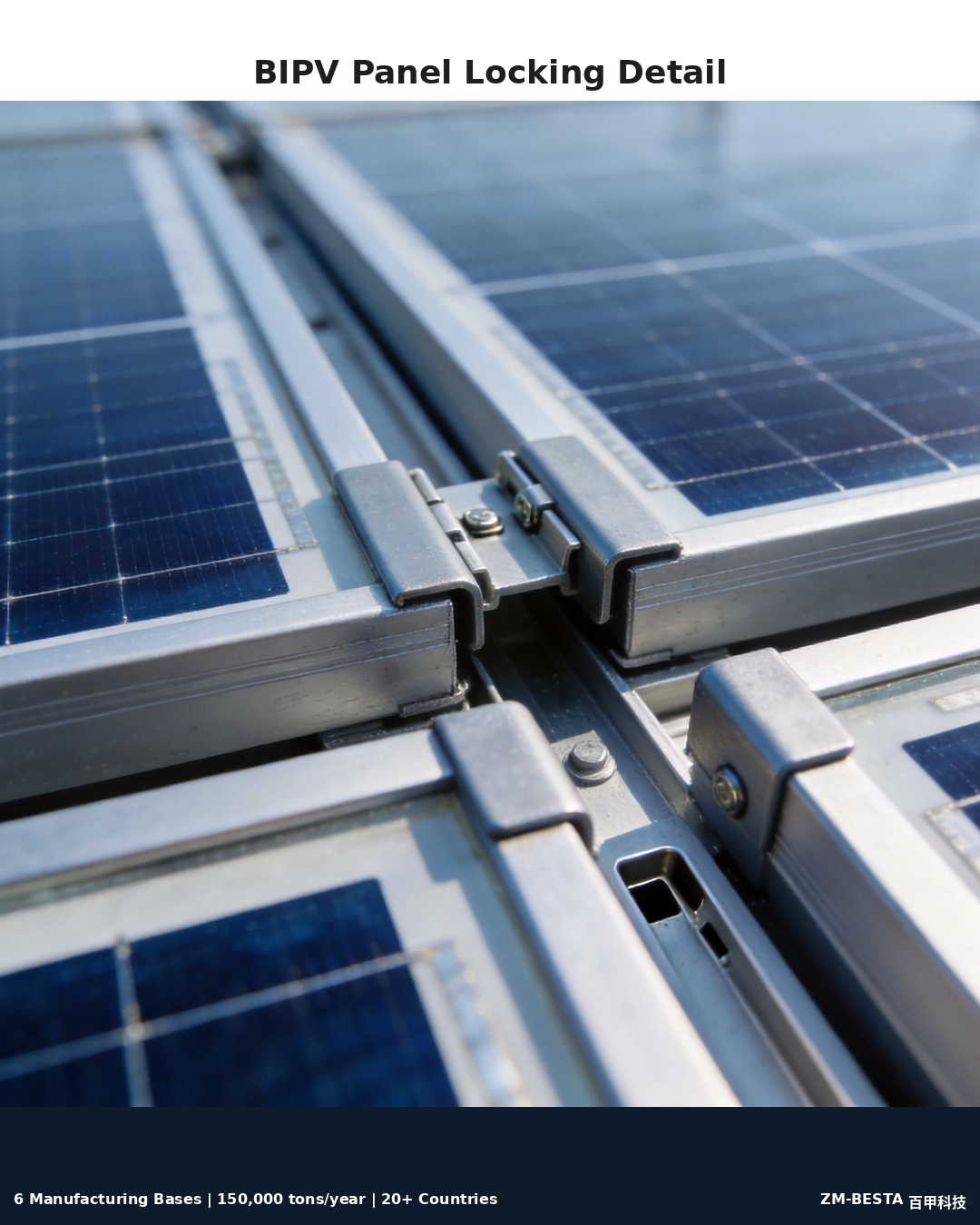
Why Choose BIPV? Two Core Advantages
Roof Replacement: BIPV as the Final Enclosure Layer
Traditional factories require three separate installations: metal roof sheets, mounting brackets and solar panels.
BIPV combines all three into one integrated system.
- Superior Waterproof Performance:Dual-seal integrated waterproof construction meets China Class 1 waterproof standard with a 25-year design life. It drastically lowers leakage risks and eliminates the pain point of mandatory metal sheet refurbishment every 5–10 years for conventional roofs.
- Low Roof Load:Unit weight of 12–18 kg/㎡, 15–20% lighter than conventional roof systems, cutting steel consumption for the steel frame by 8–12%.
- Enhanced Thermal Insulation: Thermal conductivity ≤0.03 W/(m·K), insulation thickness ≥50 mm. Thermal performance improved by 33% while overall roof thickness reduced by 37.5%.
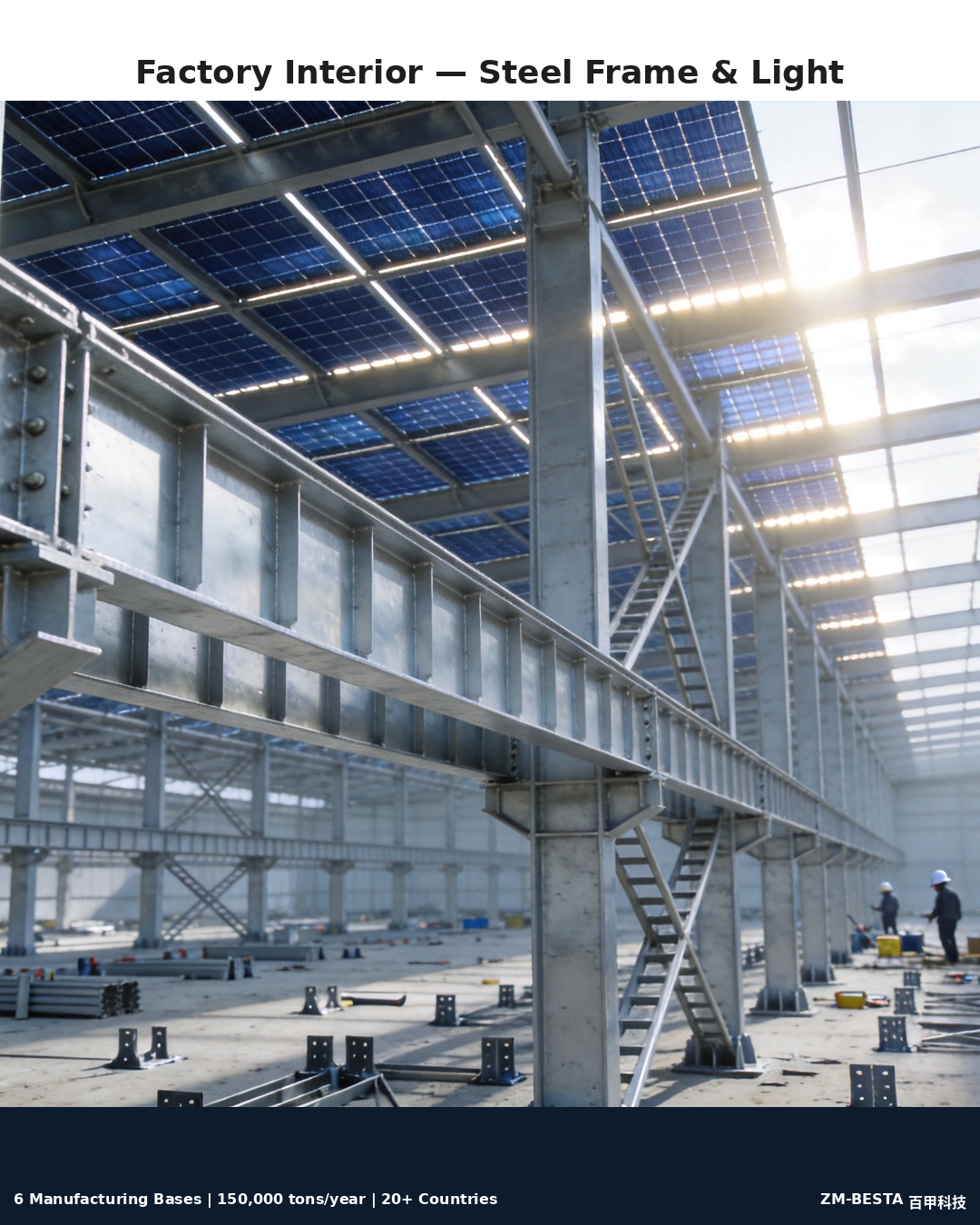
Steel Structure Co-Design: Reduced Steel Consumption & Fewer Construction Procedures
Deep structural optimization can be realized if BIPV is incorporated into the preliminary steel structure design phase.
- Optimized Steel Consumption:For a 10,000 ㎡ factory, the integrated BIPV roof saves approximately 5–10 tons of steel compared with the conventional “metal sheet + PV bracket” scheme.
- Total Cost Control:Eliminates independent roof installation and PV bracket erection procedures. For a 10,000 ㎡ plant, additional construction savings of RMB 15,000–30,000 are achieved, bringing total overall cost savings of RMB 37,500–75,000.
How to Configure a BIPV System?
-
- Early-stage Participation:Engage your BIPV supplier during the architectural design phase, not after steel structure tender award.
- Load Verification:Check structural safety against local snow load and wind load data to optimize purlin layout.
- Integrated Layout:Reserve cable trays and maintenance walkways to facilitate O&M without damaging the waterproof layer.
Case Study: BIPV Project at Zm-Besta Huaibei Base
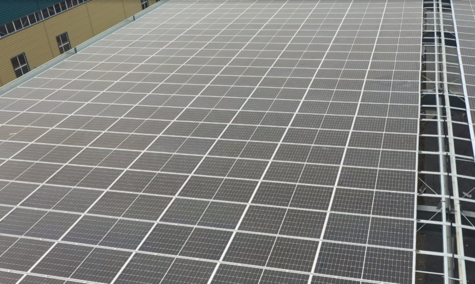
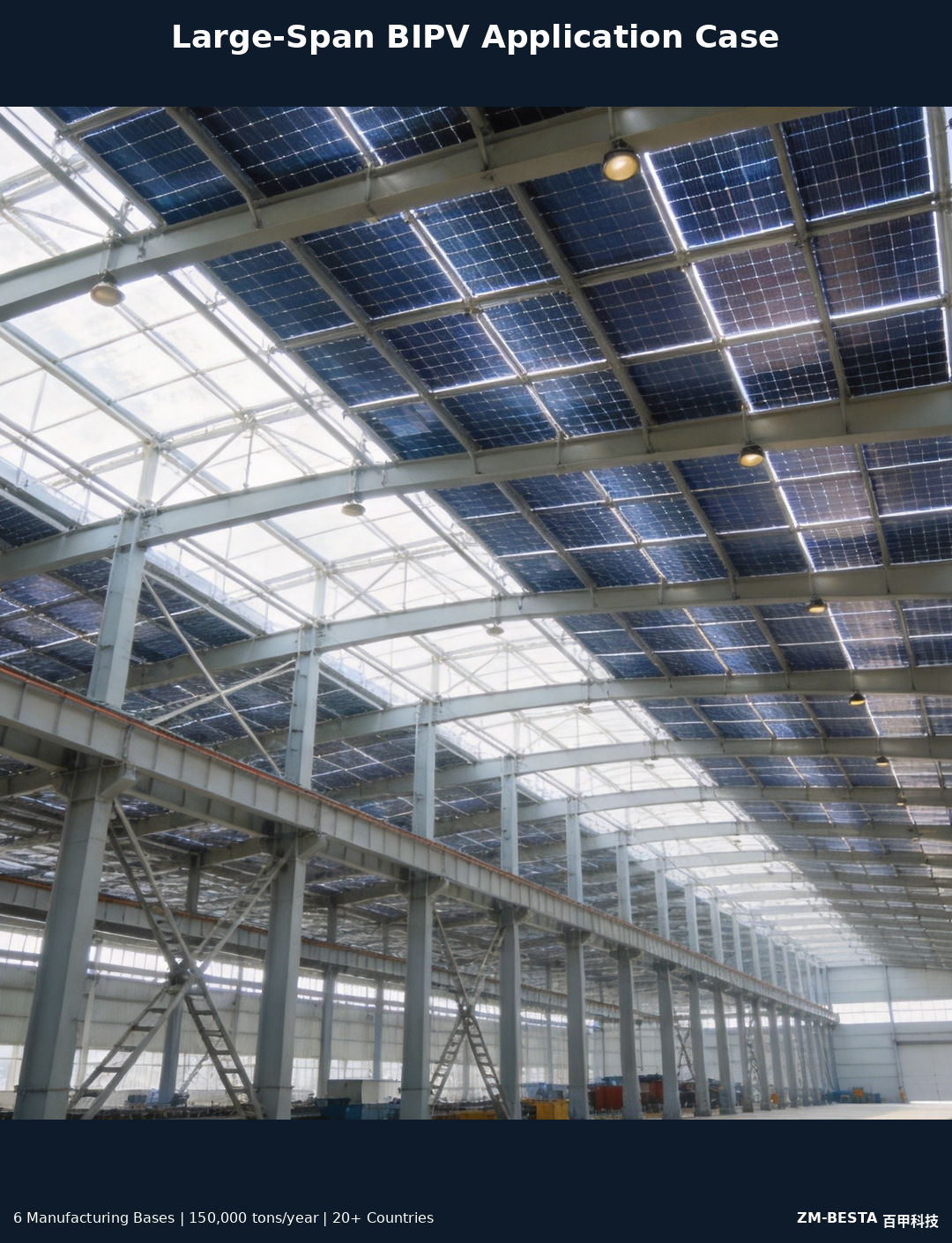
Zm-Besta (Stock Code: 920057) has implemented a structural waterproof BIPV roof system at its production base in Huaibei, Anhui Province.
PV modules fully replace conventional metal roof panels, verifying the system’s 25-year structural stability and waterproof performance.
This technical solution has been appraised as reaching an internationally advanced level, serving as a benchmark BIPV application case for industrial buildings.
BIPV is the ideal choice for newly built industrial plants.
It cuts material and maintenance expenditures while generating continuous energy revenue.
👉 Contact us now for a customized cost-saving BIPV solution tailored to your factory. Email: info@xzbesta.com