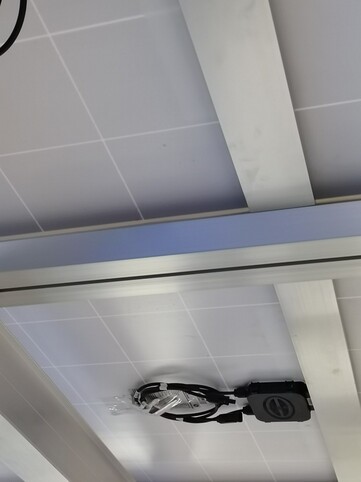
BIPV can reduce factory electricity costs by 15%–30% while transforming rooftops and carports into continuous power-generating assets.
For industrial parks, this means lower operating costs and improved ESG ratings.
What Benefits Does BIPV Bring to Industrial Parks?
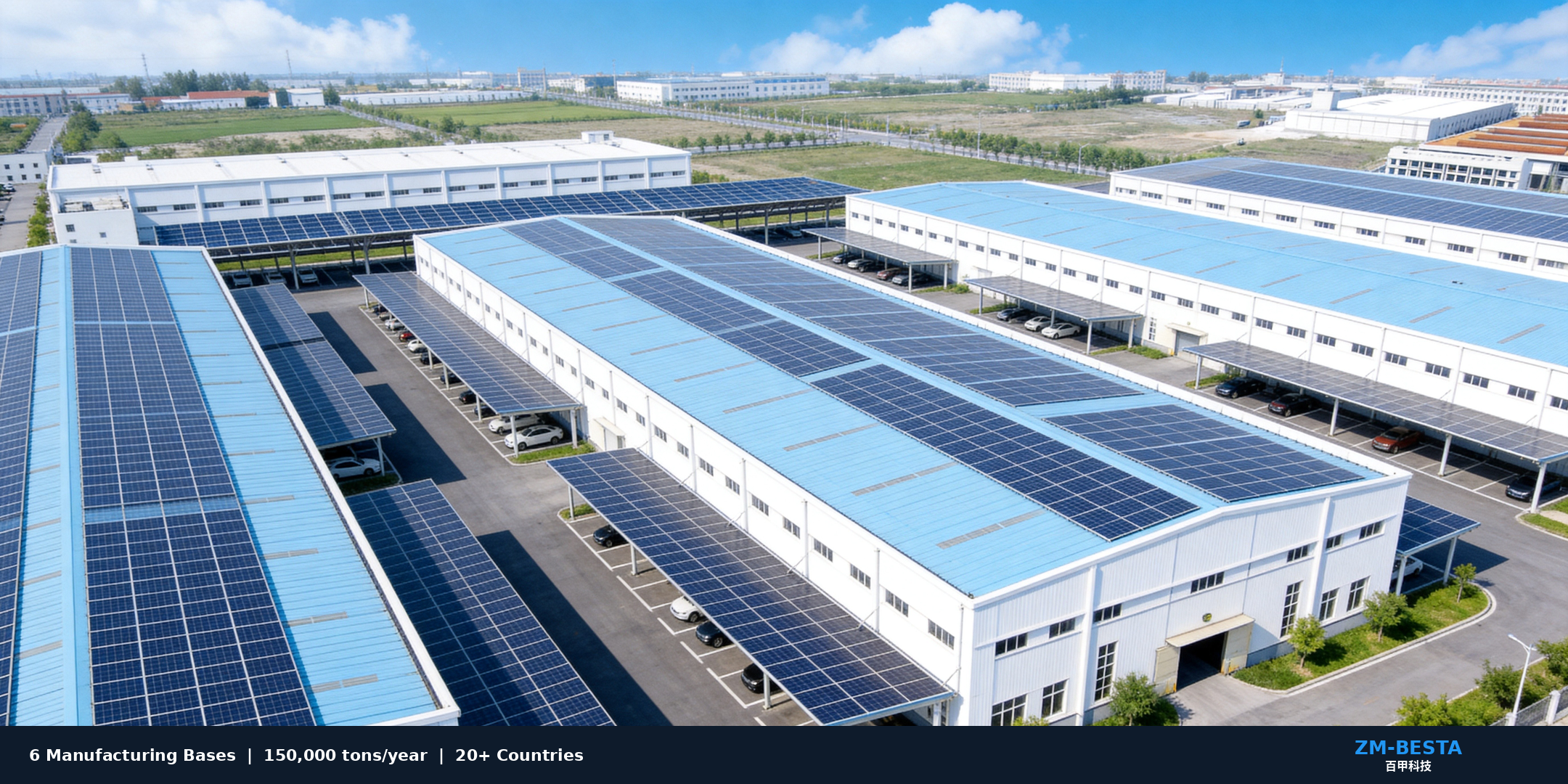
Most industrial parks have several underutilized surfaces: low-slope steel structure rooftops and open-air parking lots.
BIPV can simultaneously utilize these spaces – no additional land required, no change to existing building functions, just generating power from existing structures.
Overall Planning Approach for Industrial Park BIPV
Start with a master site plan: map rooftop areas and carport footprints, then match with corresponding products:
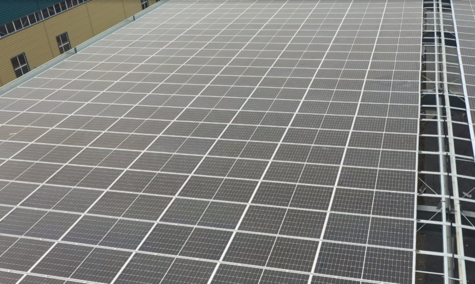
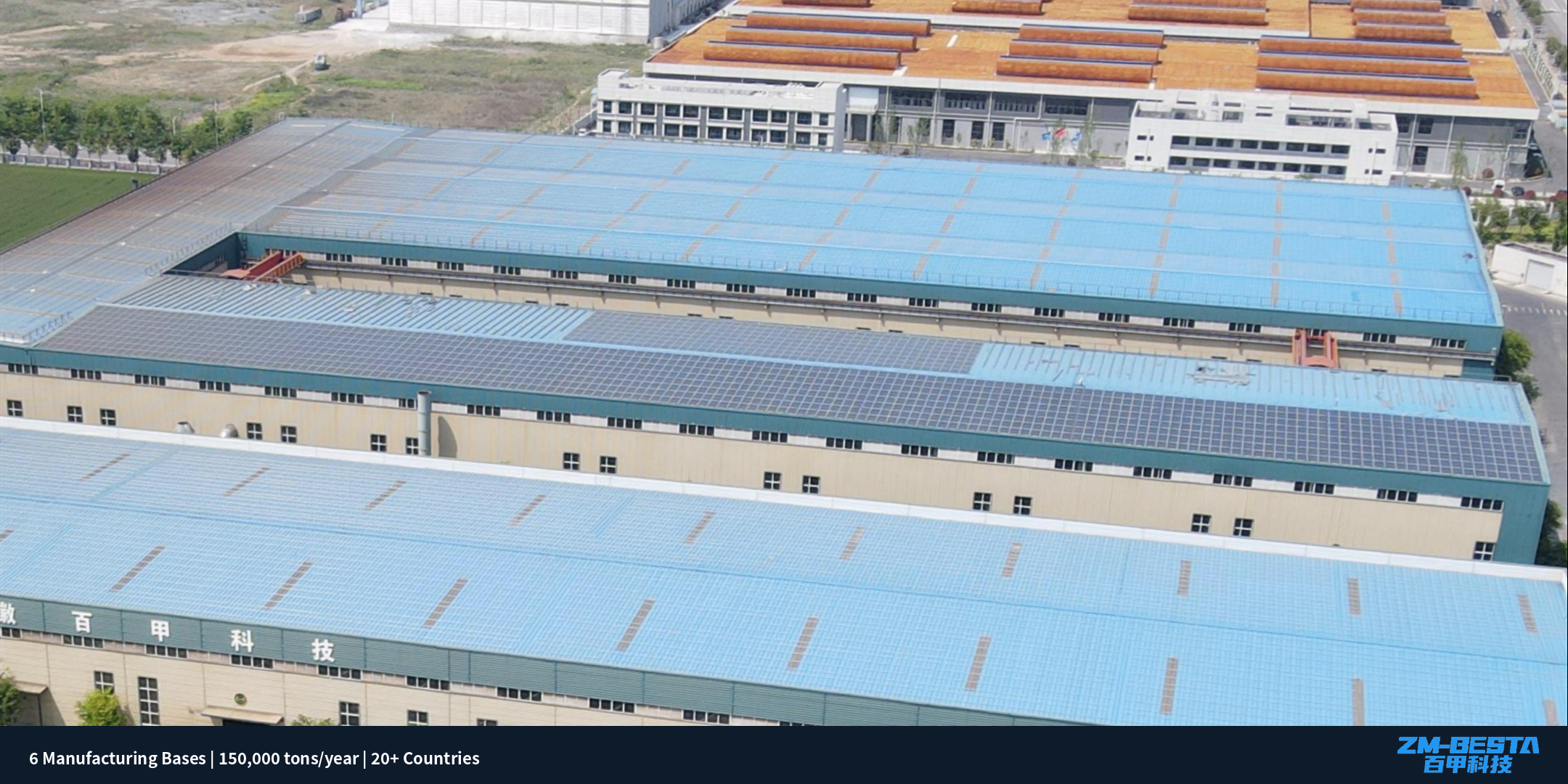
Rooftops: Steel structure roof-integrated BIPV.
Zm-Besta (Stock Code: 920057)’s structural waterproof BIPV technology for steel structure roofs has been certified by a Chinese expert panel as reaching “internationally advanced” standards. It directly replaces the original roof panels, solving leakage and load-bearing issues in a single step.
Carports: 100 parking spaces ≈ 50–80 kW installed capacity; generated power can directly supply EV charging stations and park lighting.
Phased Construction × Capacity Estimation: A Complete Analysis of Industrial Park BIPV ROI and Payback Period
Total park capacity is estimated using “area × coefficient”: 50,000 m² rooftop ≈ 5.5 MW, 300-space carport ≈ 0.2 MW, totaling approximately 5.7 MW.
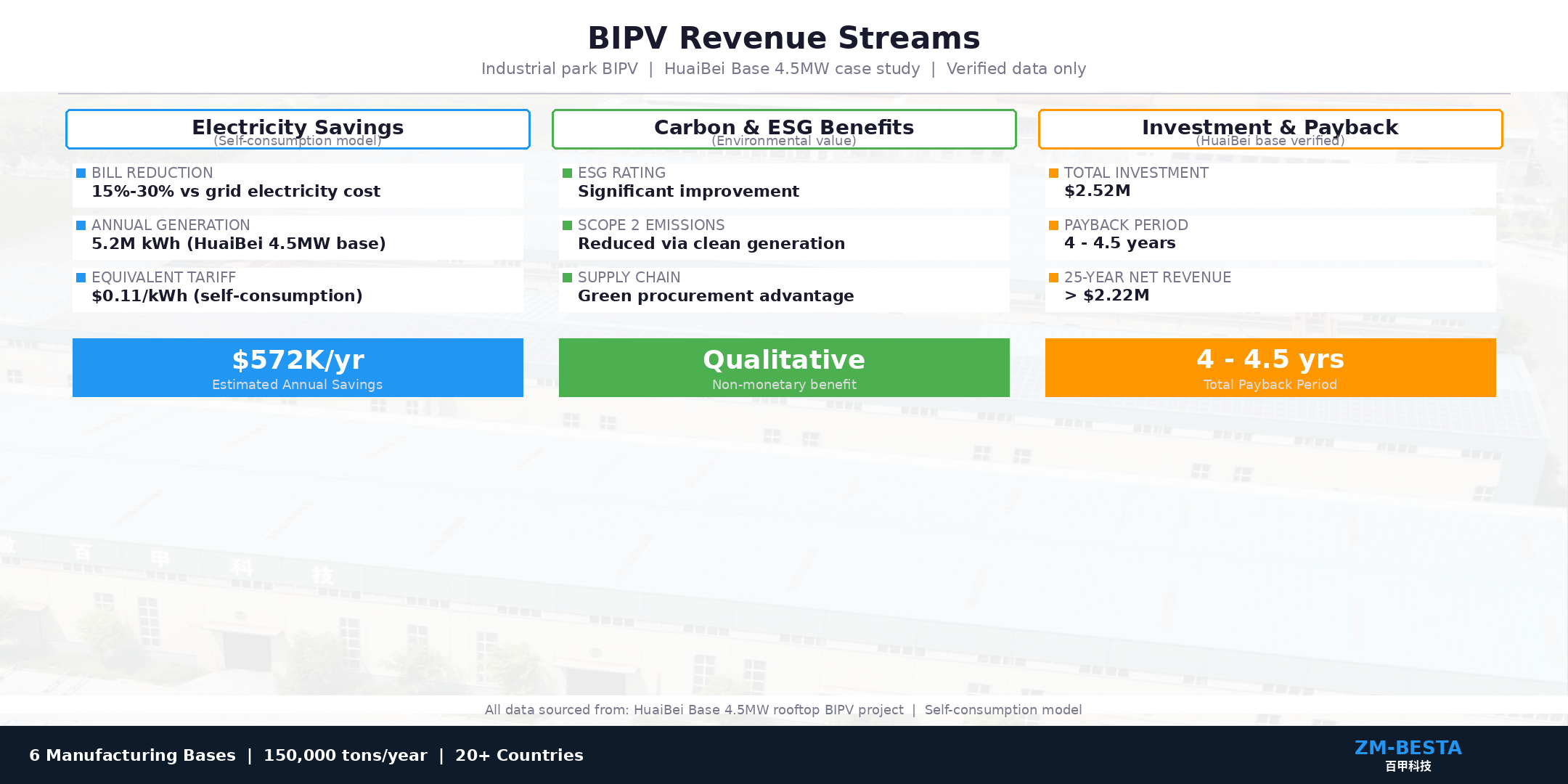
Using the Zm-Besta Huaibei base as a real-world benchmark: 40,000 m² rooftop with 4.5 MW installed capacity, total investment of USD 2,519,400. Under self-consumption mode, annual generation reaches approximately 5.2 million kWh, at an effective electricity rate of USD 0.11/kWh, with a payback period of just 4–4.5 years.
In East China, a 1 MW standard module generates 1.1–1.3 million kWh annually, with 25-year net returns exceeding USD 2,223,000.
Recommended phased implementation: Phase 1 rooftop (cash flow) + Phase 2 carport (EV charging), to maximize IRR.
Once BIPV Is Installed, How Do You Clean It?
Dirt isn’t just “unsightly” – it directly causes power loss:
Low roof slope: Light dust accumulation, annual loss 3–5%
Near construction sites / main roads: Annual loss 10–15%
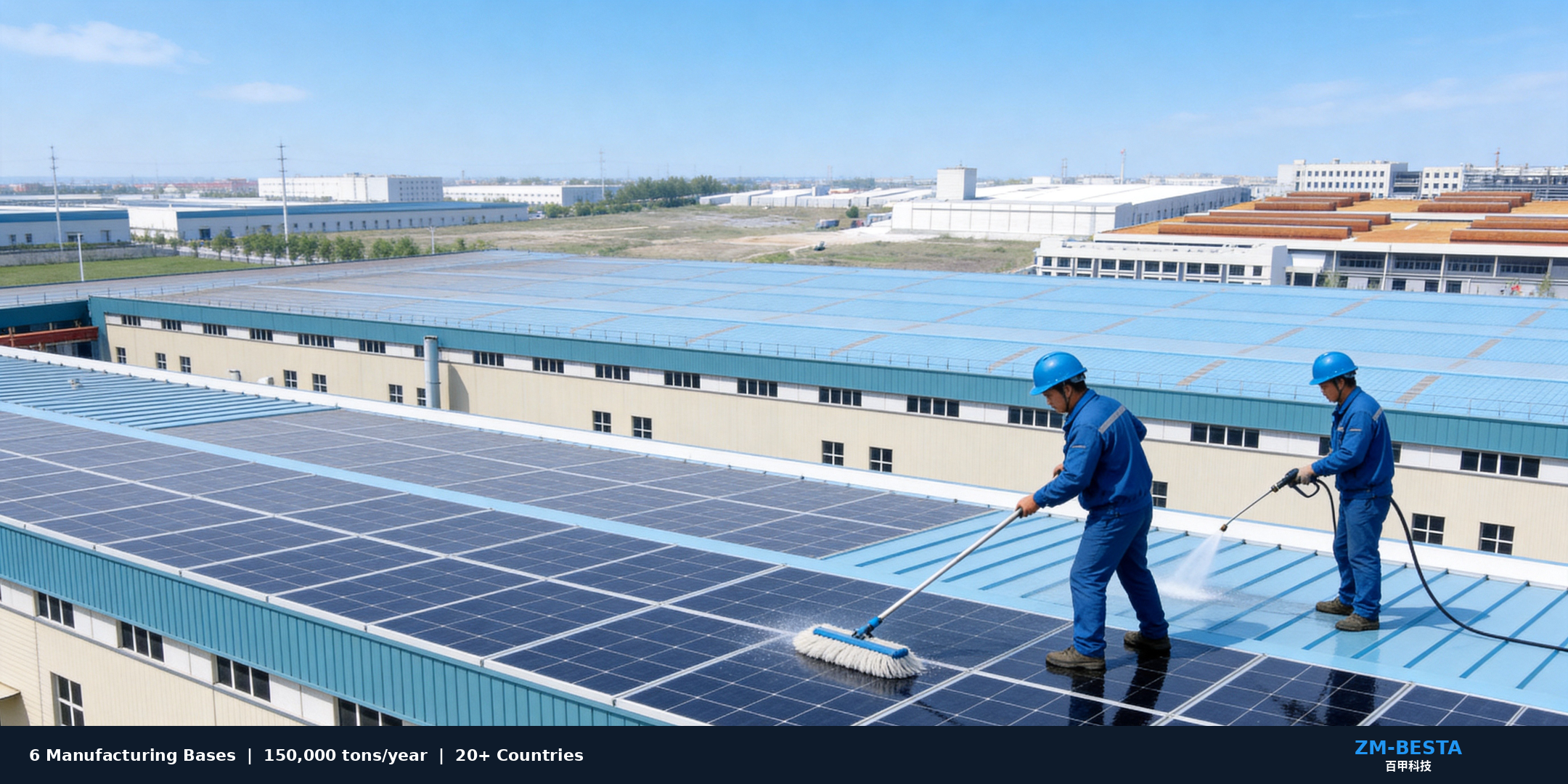
Frequency: Rooftops 1–2 times/year; heavily polluted areas quarterly; reduce cleaning during rainy season.
Method: Soft brushes + deionized water for rooftops; Zm-Besta’s built-in cleaning system is designed for automated large-roof flushing.
Cost: Approximately $0.3–0.5/m² per rooftop cleaning.
Self-cleaning coating: Nano-hydrophobic layers enable rainwater to wash away dust. Zm-Besta’s BIPV efficiency enhancement R&D program already covers frameless module selection and self-cleaning device design, reducing cleaning frequency by 40–70%. The coating itself pays back in 2–3 years.
BIPV is not just “installing solar panels on a roof” – it can be an integrated rooftop + carport plan with long-term cleaning and maintenance support.
Before signing, industrial park owners should clarify three questions: What is the total installed capacity? What is the cleaning plan? Who bears the leakage liability?
We provide EPC contractors and park owners with end-to-end BIPV solutions – from steel structures to cleaning and maintenance.
If your park’s rooftop area exceeds 20,000 m², send us your roof drawings and we will create a customized plan for you.
Contact Zm-Besta: info@xzbesta.com