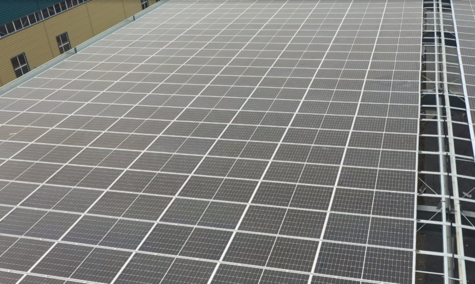
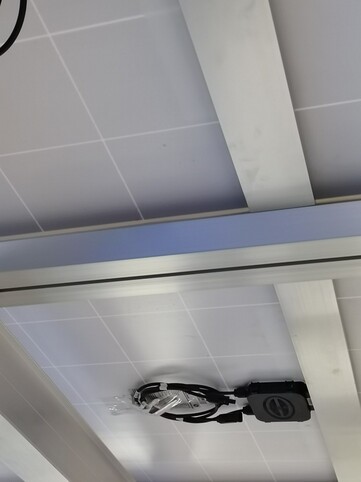
Project abandonment risks seldom stem from expensive modules.
Instead, delays in drawing release, late‑arrival of steel structures, and grid‑connection bottlenecks often leave rooftops idle with zero power generation.
When purchasing BIPV plus mobile power stations, clients are essentially buying delivery certainty: timely drawing delivery, on‑schedule material supply and smooth grid‑connection.
Many overseas buyers are less concerned about a 0.2% gap in module efficiency than facing an idle rooftop after four months with zero electricity‑cost savings.
Delivery Assurance: Unified Process with Dual‑Set Acceptance Criteria for BIPV and Mobile Power Stations
Xuzhou Zm‑Besta defines six non‑negotiable delivery milestones, with tailored acceptance standards for BIPV and mobile photovoltaic power stations.
Shared workflows are adopted while separate critical requirements are enforced.
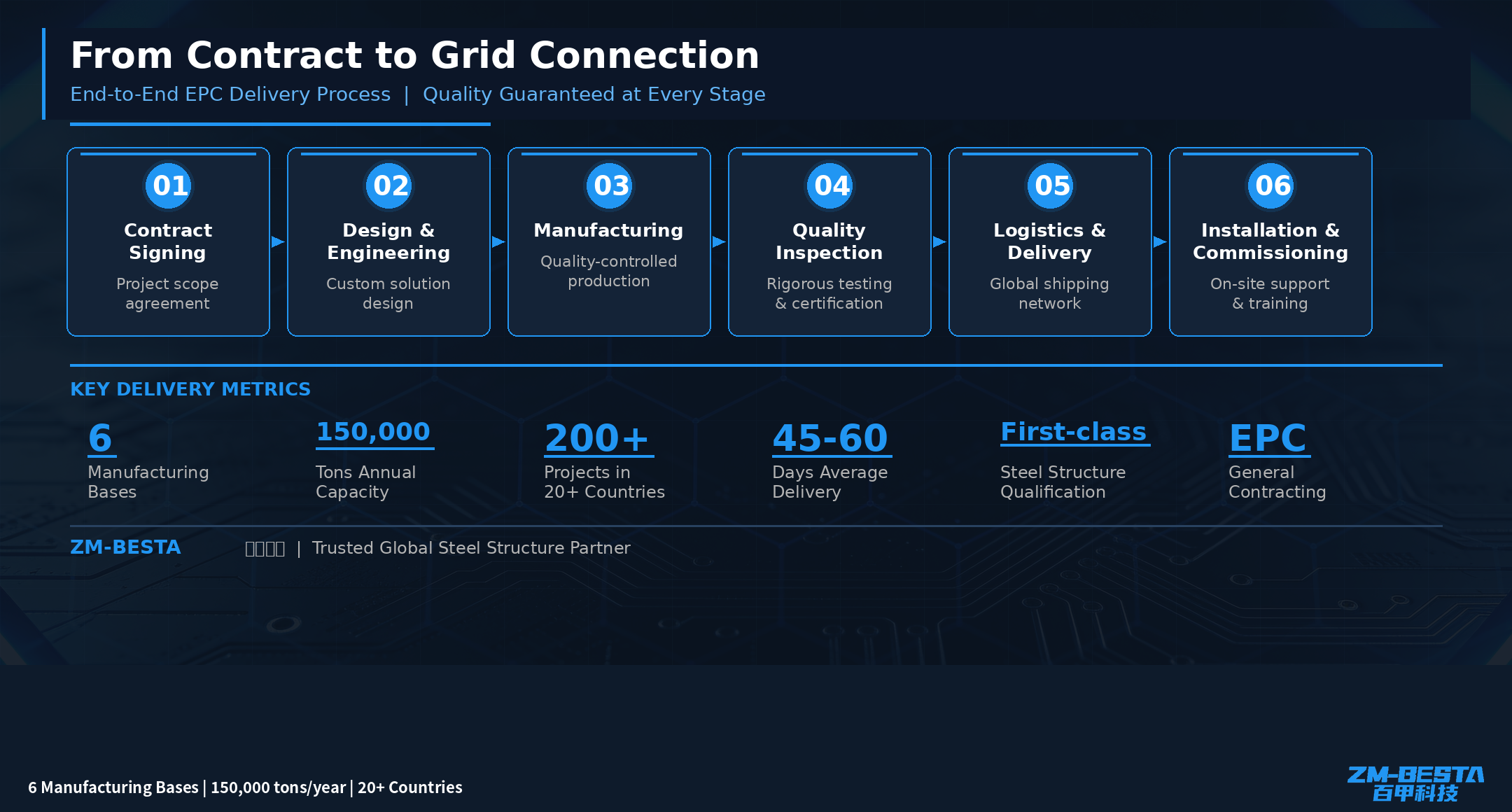
Project Kick‑off Upon Contract Sign‑off
Implementation notices are issued immediately after contract signing. Two parallel design workstreams are initiated:
For BIPV: Focus on roof load review, waterproof joint design and module layout optimization to ensure the roof bears loads safely and stays leak‑proof.
For mobile power stations: Focus on system integration drawings, electrical topology diagrams and transportation vibration simulation to guarantee stable container transport and seamless site connection.
Four‑party Drawing Review
Joint review is conducted by the Design, Tendering, Manufacturing and Engineering departments with separate review checklists:
BIPV drawing review priorities: Residual roof‑bearing capacity, waterproof structure and reserved grid‑connection interfaces.
Mobile power station drawing review priorities: Container structural strength, heat‑dissipation air ducts, safety clearances for energy‑storage equipment, and off‑grid / on‑grid switching logic.
Price Lock‑in and Production Scheduling Based on Proximity
Steel material prices are locked per batch. Performance background checks are performed for subcontractors. Urgent orders are directly assigned to production lines by the headquarters scheduling office.
BIPV components are shipped via building‑material logistics with anti‑rust packaging.
Mobile power‑station containers are shipped as mechanical‑electrical equipment with shock‑proof reinforcement.
In‑house Project Supervision
Projects are directly managed by the Engineering Business Division without multi‑level subcontracting. Distinct site‑execution requirements apply:
BIPV site work: Sequential installation of supports, modules, electrical systems and waterproofing. Emphasis is placed on waterproof finishing and finished‑roof protection.
Mobile power‑station site work: Container positioning, equipment wiring and system joint commissioning. Key focuses include earthing safety and seamless off‑grid / on‑grid switching.
Closed‑loop Acceptance
BIPV acceptance workflow: In‑house pre‑acceptance → grid‑connection approval → power‑purchase‑and‑sale contract → grid‑connection commissioning → monitoring system go‑live → owner acceptance sign‑off. Core KPIs: qualified power‑generation output and zero roof leakage.
Mobile power‑station acceptance workflow: FAT (Factory Acceptance Test) before shipment → transportation‑vibration verification → on‑site off‑grid power‑supply test → grid‑connection filing → remote‑monitoring go‑live → owner acceptance sign‑off. Core KPIs: ready‑to‑use upon arrival and safe power operation.
Risk Control as Final Safeguard: Turn Diverse Risks into Predefined Contingency Plans
Proactive collection of grid‑connection documents and direct headquarters management for rush orders are general risk‑control measures.
Additional measures for mobile power stations:
① For energy‑storage‑integrated systems, international certificates including UN38.3 and IEC 62619 must be provided.
② For cross‑border shipments, pre‑verify destination‑port handling conditions as well as road height and width restrictions.
Production‑capacity Strength: How Six Bases Support 150 000‑ton‑level Delivery Capacity
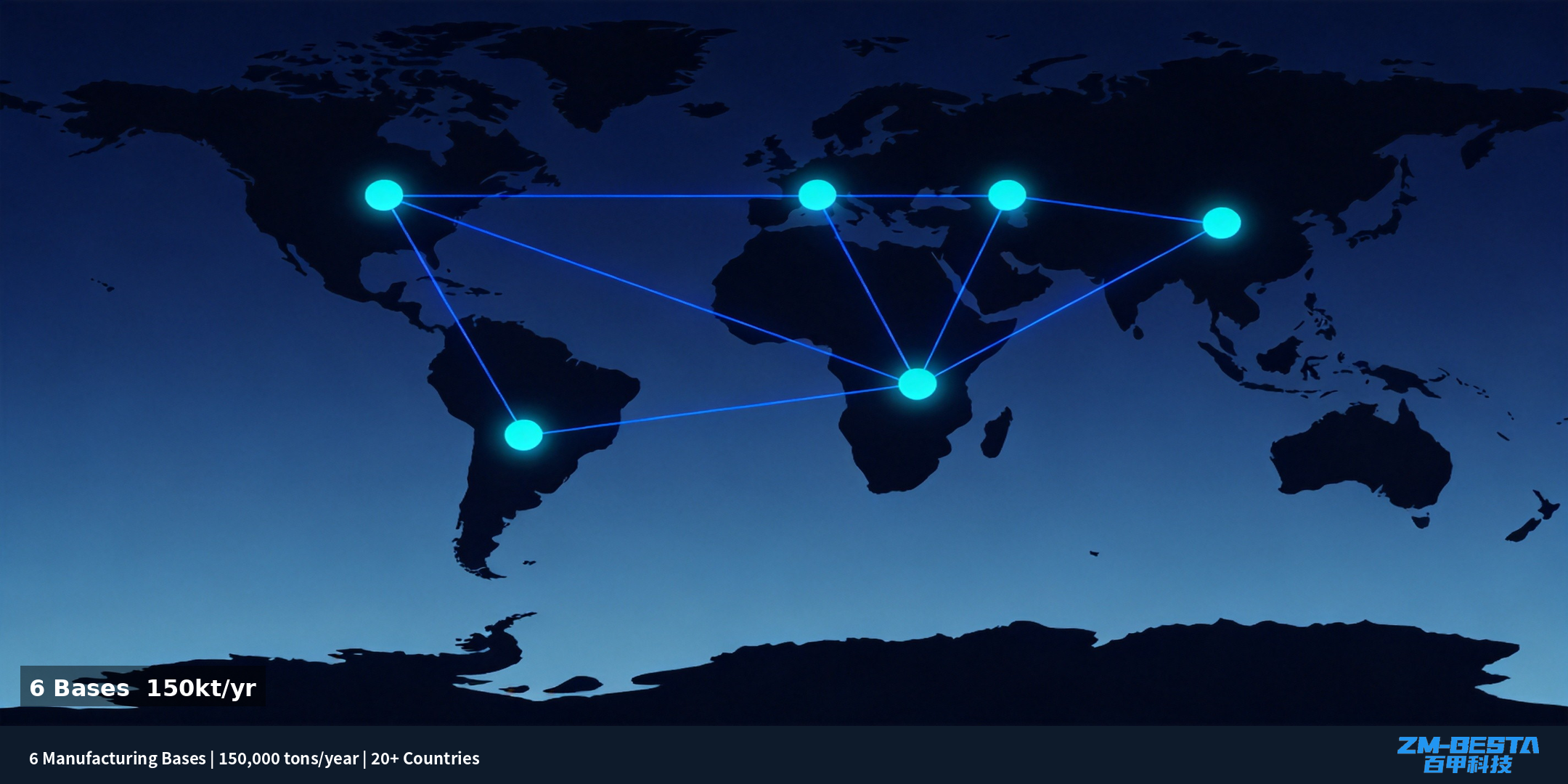
The six‑base layout means far more than geographic coverage:
Xuzhou High‑tech Zone (Headquarters) & Economic Development Zone:Serving major East‑China markets
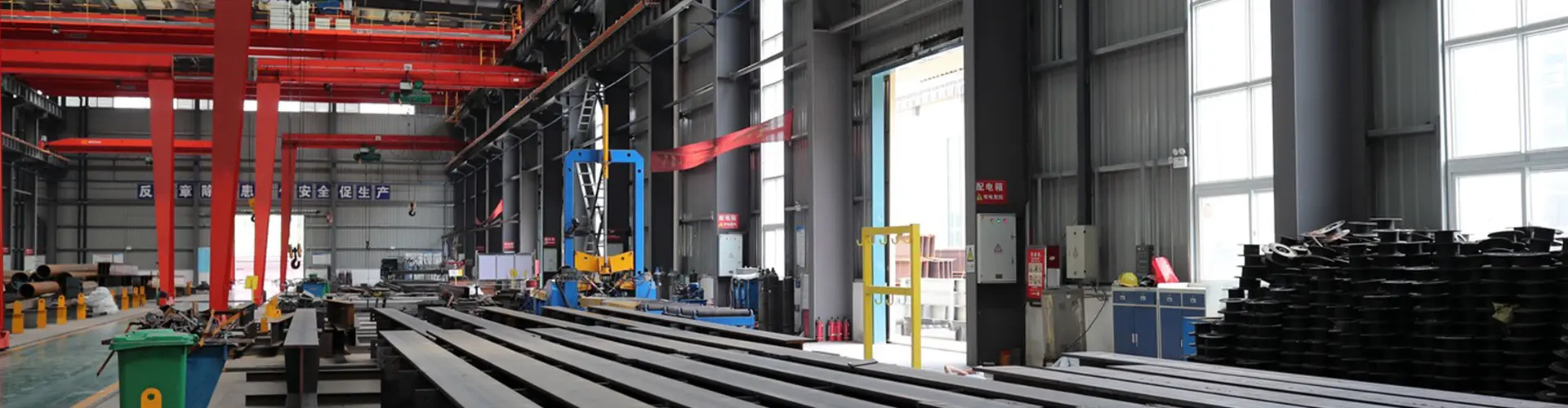
Huaibei, Anhui:70 000‑ton‑level intelligent base, major heavy‑steel‑structure production hub
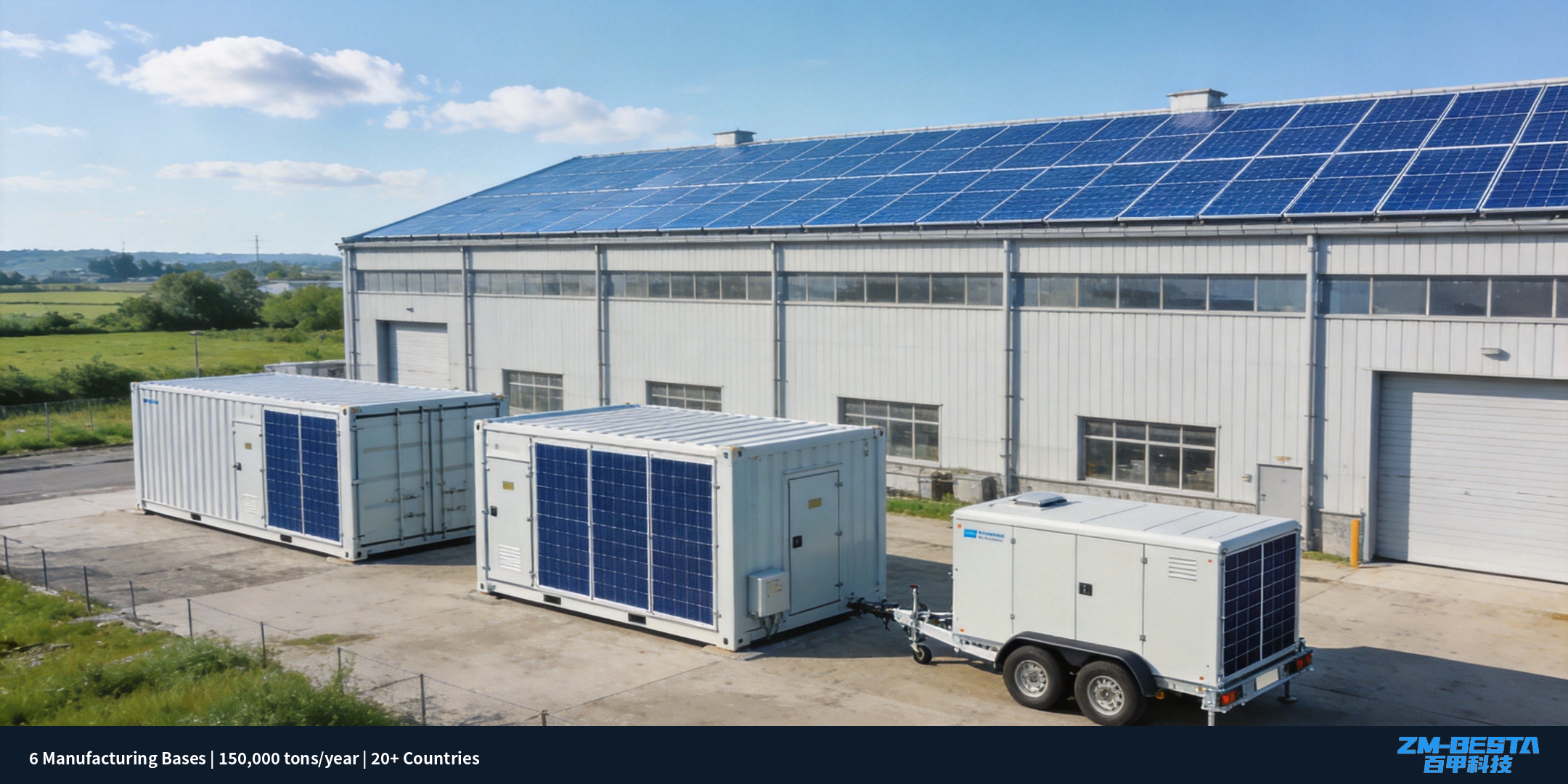
Suqian, Jiangsu: Mobile‑power‑station integration center with PV‑energy‑storage commissioning yard
Yinchuan, Ningxia: Direct supply channel for distributed PV projects in Northwest China
Kuitun, Xinjiang: Pre‑positioned warehouse for Central‑Asia and Xinjiang border‑port projects
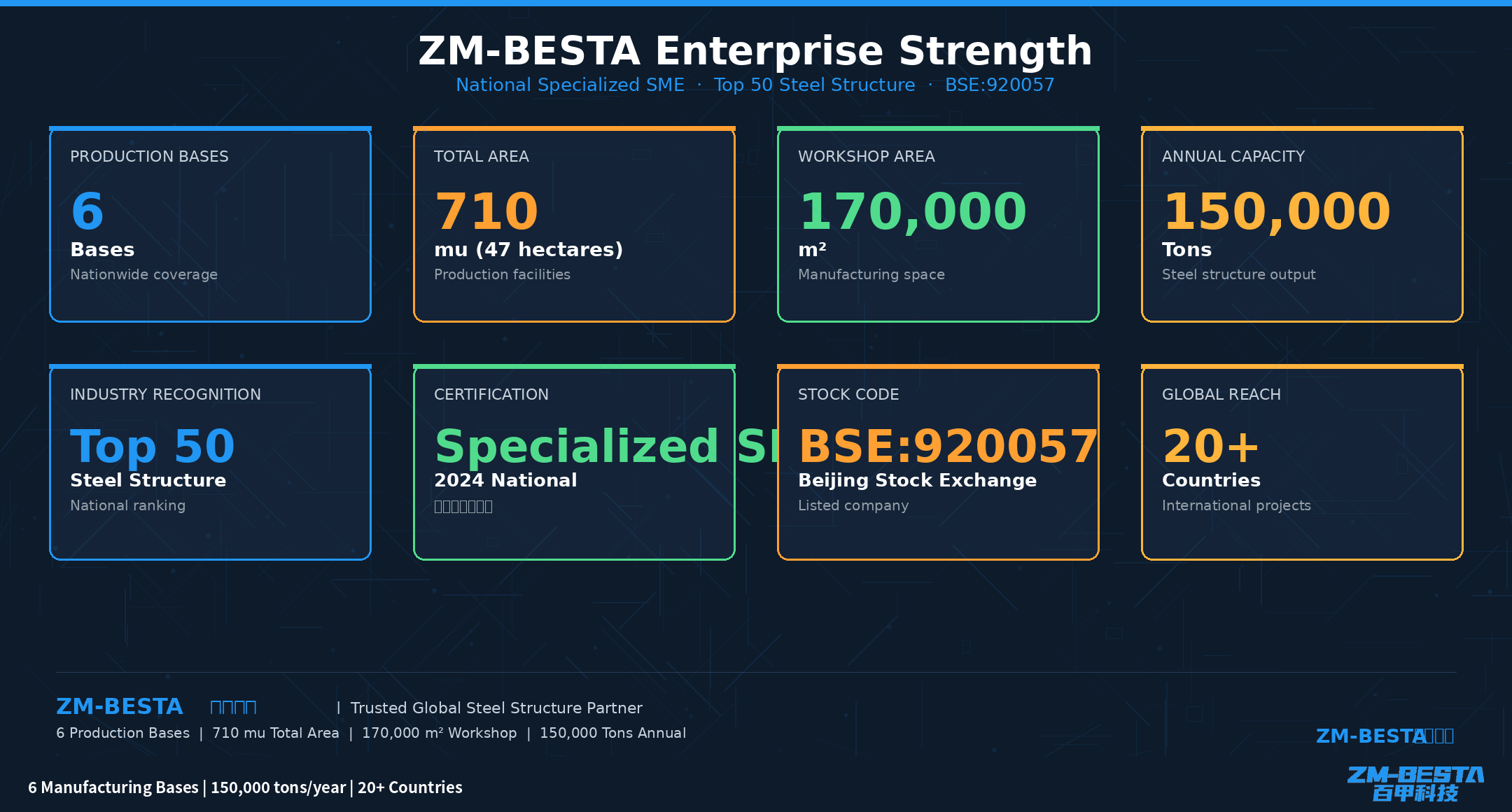
Covering 170 000 m² of plant area, the total steel‑structure processing capacity reaches approximately 150 000 tons. Key advantages include:
Proximity‑based delivery: Northwest‑region projects are supplied directly from Kuitun or Yinchuan instead of East‑China warehouses, cutting freight costs and shortening lead‑time.
Rush‑order handover: When Xuzhou production lines are fully occupied, Suqian and Huaibei facilities take over orders within 48 hours.
Non‑conflicting co‑production: Mobile‑power‑station chassis and BIPV roof beams / columns can be manufactured on shared production lines without capacity contention.
Many players understand system design, yet few can oversee projects all the way through to grid‑connection.
Xuzhou Zm‑Besta integrates steel‑structure load‑bearing design, rooftop power generation and mobile PV‑energy‑storage solutions within one unified Gantt chart.
Looking for suppliers for BIPV EPC or mobile PV‑energy‑storage power stations?
Send an email to [info@xzbesta.com] with subject line containing Country + Roof Area + Target kW, and we will reply with a milestone‑based delivery schedule.