The Entry Ticket to Overseas Projects: Without Certifications, You Can’t Even Qualify to Bid
What do overseas EPC general contractors fear most? Not high prices, not tight schedules. It’s discovering halfway through a project that the supplier’s certifications are incomplete — acceptance inspection fails, the owner rejects delivery, and the schedule slips by months.
This pitfall is especially common in BIPV projects. A BIPV product is both electrical equipment and a building material, and must satisfy two sets of standards systems at the same time. Many steel structure suppliers only understand steel structure certification and have a superficial understanding of PV-side certification requirements — only at the project site do they realize that a key certificate is missing.
After-sales response is another hidden pitfall. Equipment is shipped to Africa, the Middle East, or Southeast Asia, and problems appear six months after installation — the manufacturer says “let us look into it,” and you wait two weeks. The on-site schedule waits for no one, the owner pushes every day, and the general contractor is caught in the middle.
An incomplete certification list + slow after-sales response: these two things alone are enough to turn an overseas steel structure project from profitable to loss-making.
Why Is Certification for BIPV Projects Far More Complex Than for Ordinary Steel Structures?
Ordinary steel structure exports mainly require routine certificates such as material certificates, weld inspection, and anti-corrosion coating. But BIPV projects are different — PV modules are integrated with the building envelope, and the product is both a power generation device and the building’s exterior wall or roof. This means it must satisfy both PV industry standards and building industry standards.
Overseas BIPV Project Certification List: One Table to See the Full Picture of IEC/UL/TÜV/CE
Core Certifications on the PV Side
BIPV products must first satisfy the basic standards for PV modules, and then add the dedicated standards for building integration. The following is the certification list most frequently required for overseas projects:
Table 1: Main International Certification List for BIPV Projects
| Certification/Standard | Applicable Market | Test Scope | Key Test Items |
| IEC 61215 | Global | Design qualification and type approval | 200 thermal cycles (−40 °C to +85 °C), humidity freeze test, mechanical load of 5,400 Pa |
| IEC 61730 | Global | Safety qualification | Electrical insulation, fire resistance, mechanical integrity |
| IEC 63092-1/2 | Global | Dedicated standard for BIPV building products | Building functional requirements: load-bearing, fire resistance, waterproofing, impact resistance |
| UL 7103 | North America | BIPV roof covering | Electrical safety + fire resistance + wind resistance + weather resistance + impact resistance |
| UL 61730-1/2 | North America | PV module safety (replacing UL 1703) | Ground fault protection, rapid shutdown |
| UL 790 | North America | Roof fire classification | Class A/B/C fire ratings |
| CE Marking | EU | Construction Products Regulation (CPR) compliance | Complies with the EN 50583 series of standards |
| EN 50583-1/2 | EU | Dedicated standard for BIPV building products | Mechanical strength, fire resistance, waterproofing, durability |
| TÜV Rheinland | Global (third party) | Independent laboratory certification | Full IEC tests + factory audit |
| NFPA 285 | North America | Fire performance of curtain walls above 12 m | Fire performance test for large-scale assemblies |
| EN 13501-1 | EU | Fire classification | Class B-s1,d0 or higher |
Core Certifications on the Steel Structure Side
The steel structure part of a BIPV project also needs qualification support. The following are common requirements for steel structure export projects:
Table 2: Key Qualification List for Steel Structure Manufacturers
| Qualification/Certification | Issuing authority | Description |
| ISO 9001 | International Organization for Standardization (ISO) | Foundational quality management system certification |
| ISO 14001 | International Organization for Standardization (ISO) | Environmental management system certification |
| Special Grade China Steel Structure Manufacturing Enterprise | China Construction Metal Structure Association | Highest steel structure manufacturing qualification |
| Class A Light Steel Structure Engineering Design (Specialized) | MOHURD (Ministry of Housing and Urban-Rural Development) | Highest design capability level |
| Grade 1 General Construction Contracting (Building Engineering) | MOHURD (Ministry of Housing and Urban-Rural Development) | General construction contracting qualification |
| Product Carbon Footprint Label Certification | China Classification Society | Carbon emission transparency certification |
Xuzhou Zm-Besta’s Certification Layout and Qualification Matrix
Xuzhou Zm-Besta already has a very complete qualification system in the steel structure field. In BIPV and PV and energy storage, the company is also accelerating alignment with international standards systems.
Xuzhou Zm-Besta’s core qualifications in steel structures:
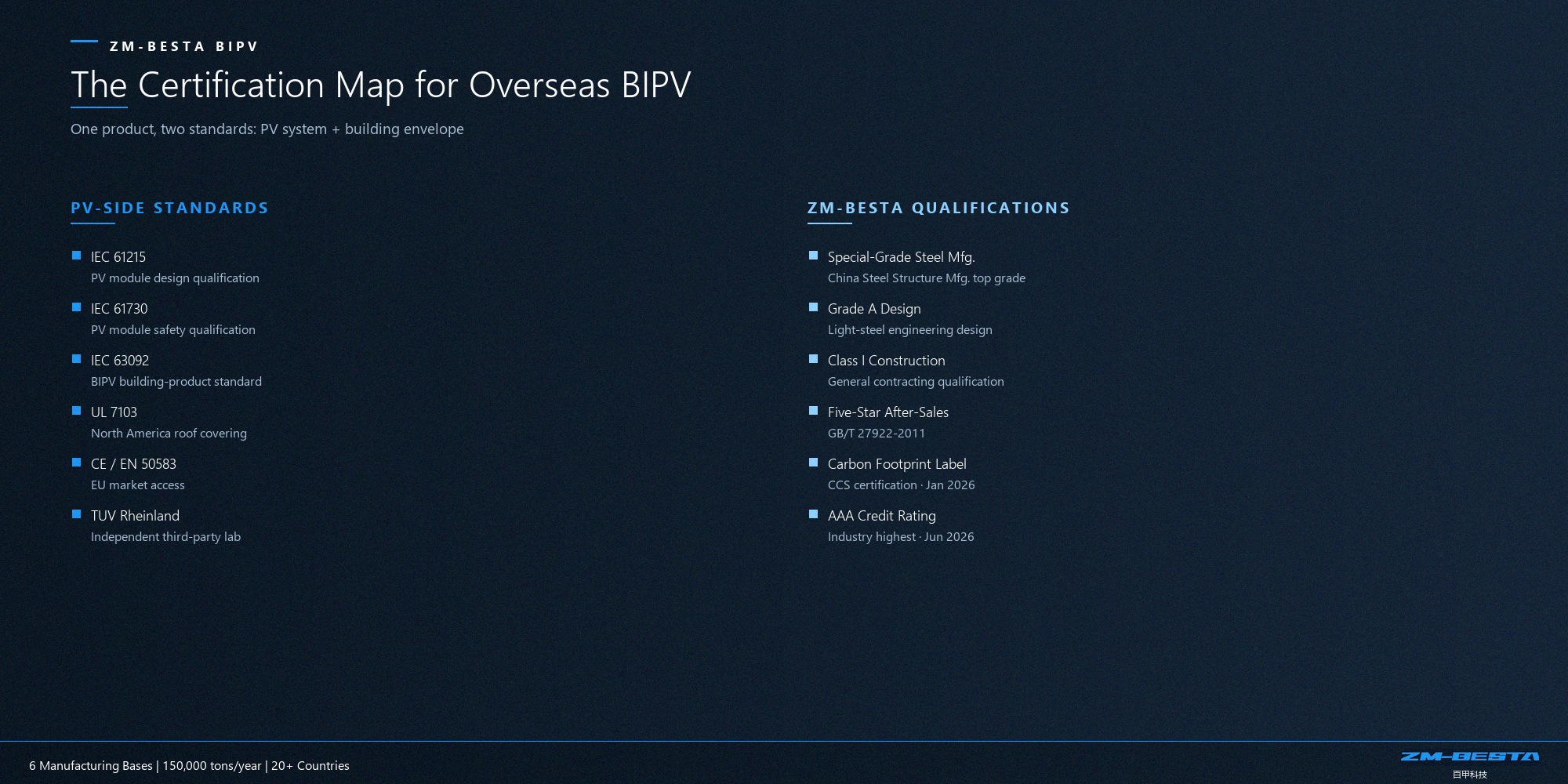
Special Grade China Steel Structure Manufacturing Enterprise; Class A Light Steel Structure Engineering Design (Specialized); Grade 1 General Construction Contracting (Building Engineering); Grade 1 Specialized Contracting (Steel Structure Engineering); National High-tech Enterprise; National “Little Giant” (Specialized, Refined, Distinctive and Innovative) Enterprise; Five-Star After-Sales Service Certification (GB/T 27922-2011); China Classification Society Product Carbon Footprint Label Certification (January 2026); AAA credit rating in the steel structure industry (June 2026, issued by the China Construction Metal Structure Association, the highest rating in the industry).
Xuzhou Zm-Besta’s BIPV and PV-Energy-Storage Focus:
Xuzhou Zm-Besta’s “steel structure roof structural waterproof building integrated photovoltaic application technology” was assessed by the China Construction Metal Structure Association as “reaching an internationally advanced level,” and was included in Jiangsu Province’s Catalog of Key Promoted and Applied New Technologies and New Products. The company holds 32 invention patents (including 1 overseas invention patent) and 87 utility model patents.
In PV and energy storage products, Xuzhou Zm-Besta’s mobile integrated PV-storage power station products are designed and verified against international standards systems such as CE and GB/T, targeting markets including the Middle East, Africa, and other regions with power shortages.
How Fast Can Faulty Equipment Be Repaired? Breaking Down the Overseas After-Sales Service System
Industry-Wide Pain Point: How Slow Is After-Sales Response Really?
Slow after-sales response in overseas projects has three root causes: low-efficiency communication across time zones, no local technical team, and spare parts that must be shipped from China.
For sudden safety failures (structural deformation after extreme weather, large-scale roof leakage), the industry response standard is a 24-hour response and the core team arriving on site within 48 hours. In overseas projects, however, few manufacturers actually manage to do this.
Xuzhou Zm-Besta’s After-Sales Service System
The root cause of slow after-sales response lies in the system. Without standardized service processes, even the largest manufacturer will drag its feet on site issues. Xuzhou Zm-Besta’s approach: first lock in service standards through certification, then shorten response distance through a multi-base layout.
Five-Star After-Sales Service Certification
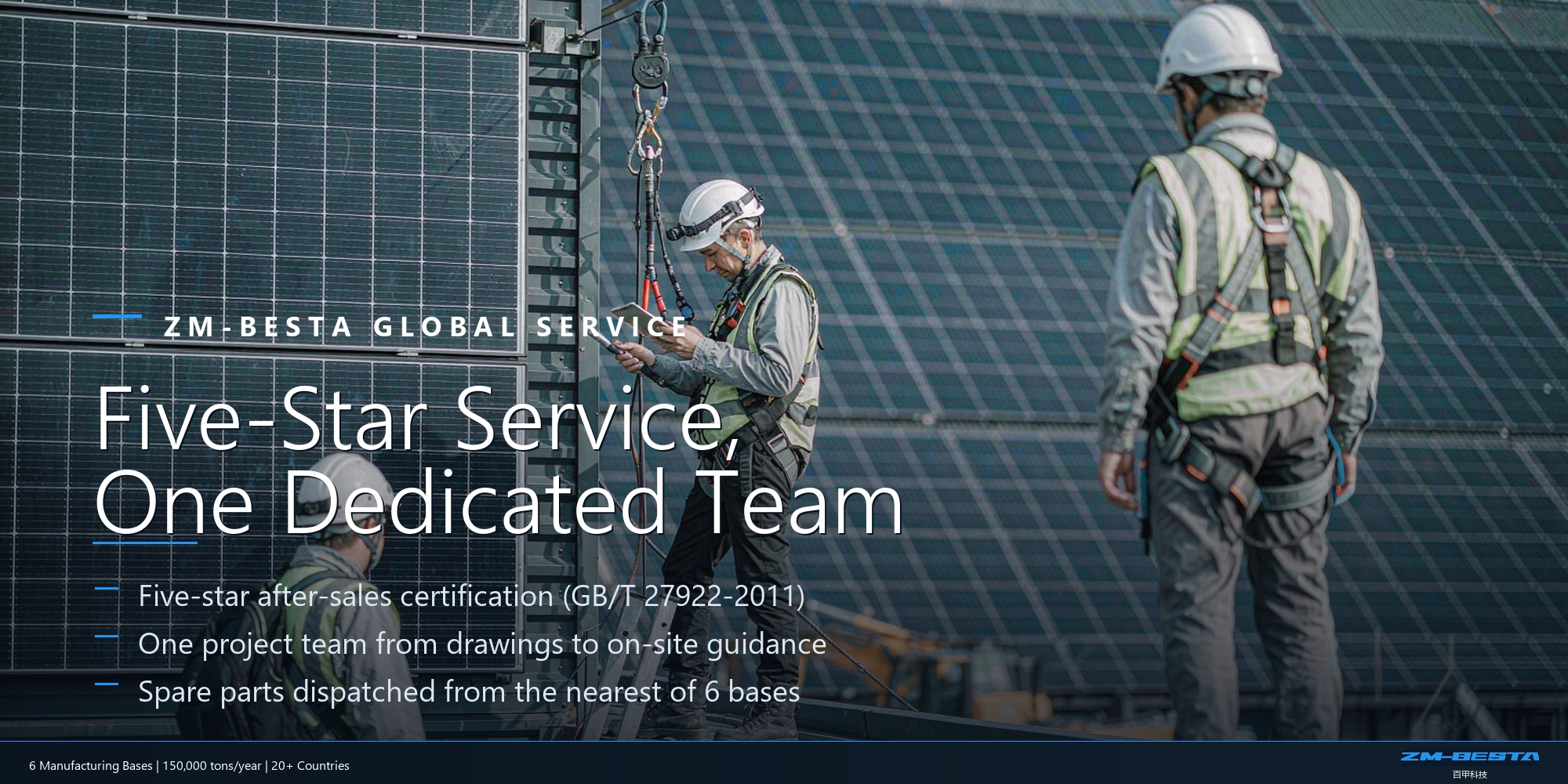
Xuzhou Zm-Besta has passed the Five-Star After-Sales Service Certification (GB/T 27922-2011, Evaluation System for Commodity After-Sales Service) and is one of the few companies in the steel structure industry to hold certification at this level. The certification requires companies to build a complete customer service system, with all-round assessment covering response mechanisms, service processes, technical support, and parts supply; five stars is the highest level.
Dedicated Project Team System
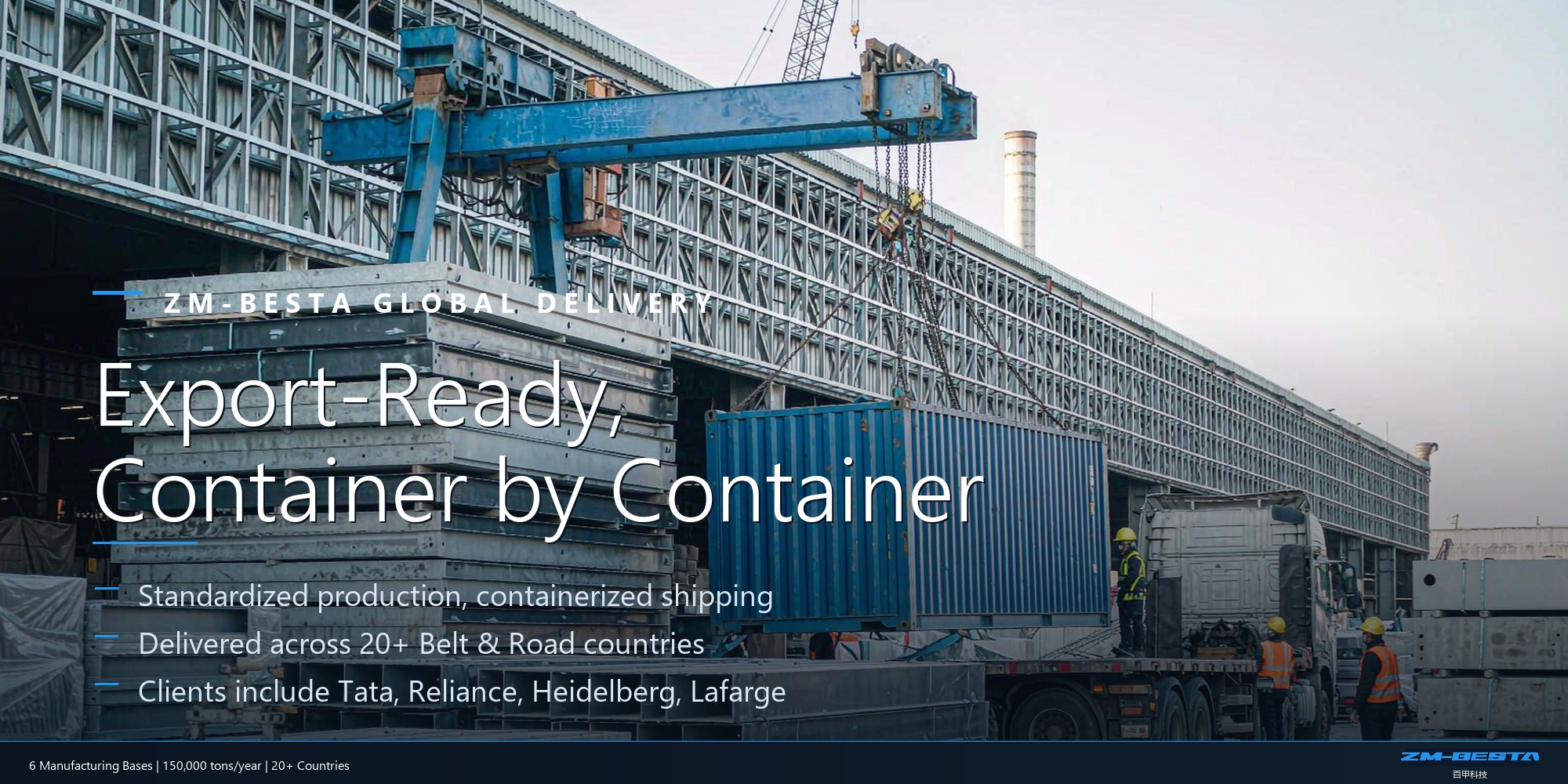
Xuzhou Zm-Besta implements a dedicated project team system across R&D, design, fabrication, and installation. Overseas customers deal with one project team instead of multiple departments, which shortens the communication chain and speeds up issue resolution. The project team follows through the entire process, from drawing detailing to on-site installation technical guidance, reducing information loss during handover. To date, our products have entered more than 20 countries along the Belt and Road, and overseas customers include Global 500 enterprises such as India’s Tata Group and Reliance Group, the Philippines’ Eagle Group, Germany’s Heidelberg Group, and France’s Lafarge Group.
Multi-Base Layout Supports Nearby Response
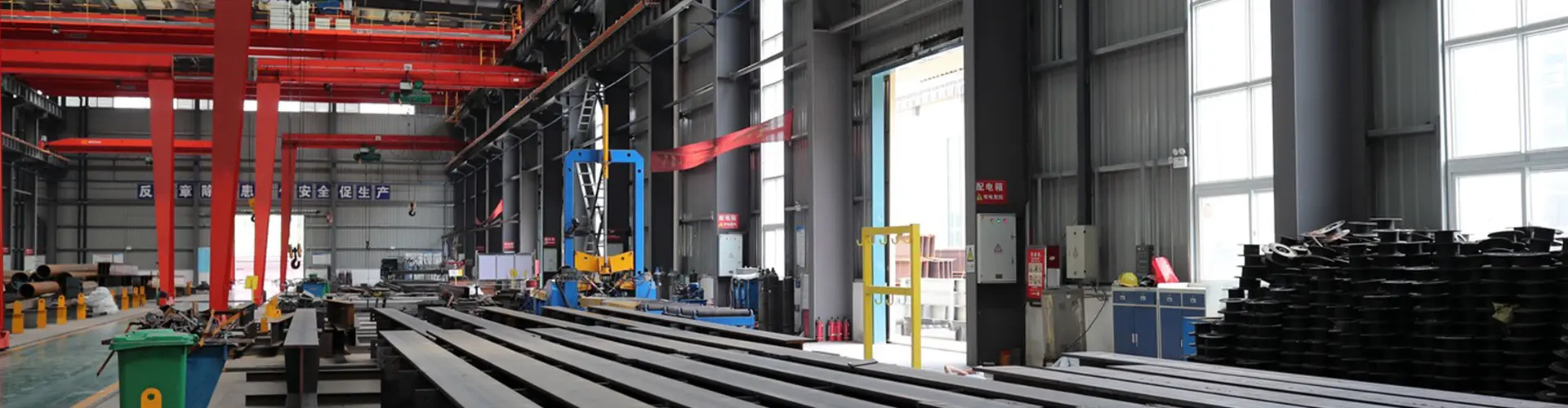
Xuzhou Zm-Besta operates five production bases in Xuzhou High-tech Zone, Xuzhou Economic Development Zone, Huaibei (Anhui), Kuitun (Xinjiang), and Suqian, with an annual processing capacity of 100,000 tonnes of steel structures and 80,000 tonnes of space frames. The multi-base layout means that the spare parts or technical support that overseas customers need do not all have to be shipped from the eastern coast — they can be deployed from the nearest base, effectively shortening logistics lead times.
FAQ: The 5 Questions Overseas Customers Care About Most
Q1: Which international certifications do Xuzhou Zm-Besta’s BIPV products hold?
Xuzhou Zm-Besta’s core BIPV technology, the “steel structure roof structural waterproof building integrated photovoltaic application technology,” has been assessed as reaching an internationally advanced level and has been included in Jiangsu Province’s New Technology and New Product Promotion Catalog. Its PV products have completed certification under the IEC international standards system, and its module products meet the requirements of relevant EU standards. On the steel structure side, it has obtained a complete set of qualifications including the Special Grade China Steel Structure Manufacturing qualification, carbon footprint label certification, and AAA credit rating. To learn how certifications are aligned for a specific project country, please contact our overseas sales team.
Q2: What is Xuzhou Zm-Besta’s after-sales response time commitment for overseas projects?
Xuzhou Zm-Besta has passed the Five-Star After-Sales Service Certification (GB/T 27922-2011) and established standardized customer service processes. Leveraging its five production bases, it can deploy technicians and spare parts from nearby bases, effectively shortening response times for overseas projects. The specific response time is determined by the project country, contract terms, and project type. Please contact the sales team for an after-sales response plan tailored to your project’s country.
Q3: In which countries does Xuzhou Zm-Besta have project experience?
Our products have entered more than 20 countries along the Belt and Road, including India, Pakistan, the Philippines, Indonesia, Thailand, Kuwait, Qatar, Oman, Kazakhstan, and Brazil. Overseas customers include Global 500 enterprises such as Tata Group, Reliance Group, Jindal Group, Heidelberg Group, and Lafarge Group.
Q4: What core certifications are required for BIPV projects?
Core certifications include IEC 61215 (design qualification), IEC 61730 (safety qualification), and IEC 63092 (dedicated standard for BIPV building products). The North American market requires UL 7103 and UL 790, while the EU market requires CE Marking and EN 50583. The specific list varies depending on the regulations of the project country.
Q5: Can Xuzhou Zm-Besta provide integrated services from design to installation?
Yes. Xuzhou Zm-Besta holds the Grade 1 General Construction Contracting (Building Engineering), Grade 1 Specialized Contracting (Steel Structure Engineering), and Class A Light Steel Structure Engineering Design (Specialized) qualifications, and can provide customers with integrated solutions covering R&D, design, fabrication, installation, and maintenance. For overseas projects, it can dispatch technical teams to guide installation on site.
Summary
The certification list is the entry ticket to overseas projects, and the after-sales service system is the lifeline for long-term project operation. Neither can be taken lightly.
If your overseas project is looking for a supplier of integrated steel structure + BIPV solutions, or you want to learn about Xuzhou Zm-Besta’s qualification list and after-sales service solutions:
Contact us for the complete certification list and project solutions → Email: info@xzbesta.com
Leave a message or DM us to get a certification compliance list and after-sales response plan tailored to your project’s country.